
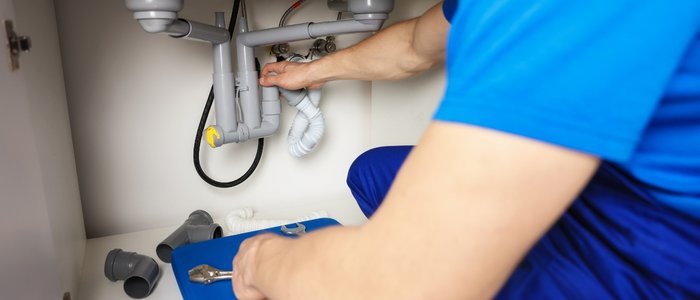
Have you ever opened your cabinet and wondered why there’s a strange smell or a small puddle forming under your sink? It may feel confusing at first, especially when plumbing parts look complicated and hidden.
But don’t worry how to fix the plumbing under the kitchen sink becomes much easier once you understand what’s happening.
Under-sink plumbing includes pipes, joints, and fittings working together to carry water in and out efficiently. When one part fails, it can affect the entire system. Leaks, clogs, and loose connections are common issues that we can identify early with a closer look.
we will break everything down step by step so you can confidently diagnose and repair problems. With the right approach, we can prevent damage, save money, and keep your kitchen running smoothly.
Quick Fix Insights You Should Know First
- Most leaks come from loose connections.
- Clogs often form in the P-trap.
- Worn seals lead to dripping pipes.
- Regular checks prevent major damage.
- DIY fixes save time and money.
- Tools needed are simple and affordable.
Before starting any repair, it’s important to understand the basics of your sink’s plumbing system. When we know where the issue originates, repairs become faster and more accurate. Even a quick inspection can reveal hidden leaks or clogs. Taking time to observe the system helps prevent small problems from turning into major damage later.
Common Problems Lurking Under Your Sink
- Dripping pipes and connections.
- Blocked P-trap causing slow drainage.
- Corroded or damaged pipes.
- Loose or worn-out washers.
- Bad odors from trapped debris.
- Water pooling under the cabinet.
- Faulty garbage disposal connections.
Why Under-Sink Plumbing Issues Happen
Plumbing issues under the sink usually develop due to daily usage and gradual wear. Food particles, grease, and soap residue often build up inside pipes, leading to stubborn clogs. Over time, pipe materials can weaken, causing cracks or corrosion that result in leaks.
Improper installation or overtightened fittings can also create stress points that eventually fail. Environmental factors such as moisture and humidity further accelerate deterioration. When we understand these causes, we can take preventive measures and reduce the chances of recurring problems.
Knowing why issues occur gives you a clear advantage when learning how to fix the plumbing under kitchen sink and maintain long-term performance.
Types of Under-Sink Plumbing Issues You Might Encounter
Under-sink plumbing issues vary based on their cause and severity. Some problems are minor and easy to resolve, while others require careful attention and tools. Recognizing the type of issue helps us decide the right repair method and avoid unnecessary complications.
Leak-Related Issues
These include dripping joints, cracked pipes, and worn seals that allow water to escape and cause damage over time.
Drainage-Related Issues
These involve slow drainage or blockages caused by buildup inside pipes or the P-trap, restricting proper water flow.
Common Indicators of Under-Sink Plumbing Problems
Damp or musty cabinet smell – A persistent damp or musty odor inside your cabinets can signal hidden leaks or trapped moisture, which, if left unchecked, may lead to mold growth and structural damage over time.
Visible water stains or puddles – Water stains on walls, floors, or cabinet surfaces, as well as puddles that appear unexpectedly, are clear indicators of leaks or plumbing issues that need immediate attention.
Slow draining sink – A sink that drains slowly may suggest a clog or buildup in the pipes, which can worsen over time and lead to more serious blockages or water overflow problems.
Strange gurgling noises – Unusual gurgling or bubbling sounds from your sink or pipes often point to air pockets or blockages in the plumbing system, signaling the need for inspection.
Mold or mildew growth – The presence of mold or mildew, particularly around sinks, cabinets, or walls, indicates excess moisture and potentially hidden leaks, posing both health risks and structural concerns.
Loose pipe connections – Pipes that appear loose, wobble, or make noises may be improperly fitted or beginning to fail, which can lead to leaks, water damage, or more extensive plumbing repairs if ignored.
Unexpected increase in water bill – A sudden rise in your water bill without a clear reason is often a sign of hidden leaks, inefficient fixtures, or undetected plumbing issues that need prompt investigation.
Act quickly on warning signs – Noticing any of these issues should prompt immediate action. Early intervention prevents larger, more costly repairs, protects your home from water damage, and ensures your plumbing system continues to function efficiently.
Simple DIY Methods to Fix Under-Sink Plumbing
Fixing minor plumbing issues is easier than it seems when you follow the right approach. Tightening loose fittings or cleaning the P-trap can resolve many common problems. When we use proper tools and techniques, repairs become safe and effective.
Always turn off the water supply before starting any repair to avoid accidents. Avoid harsh chemicals, as they may damage pipes over time. With these precautions, how to fix the plumbing under kitchen sink becomes a manageable DIY task.
- Turn off water supply first.
- Use a wrench for tightening.
- Clean the P-trap regularly.
- Replace damaged washers.
- Check seals and joints.
- Keep a bucket handy.
- Test after fixing.
Easy Steps to Repair Your Under-Sink Pipes
- Shut off water valves.
- Place a bucket under pipes.
- Inspect for leaks or clogs.
- Remove and clean P-trap.
- Tighten or replace fittings.
- Reassemble components.
- Turn water back on.
- Check for leaks.
- Ensure proper drainage.
Following a structured repair process helps avoid mistakes and ensures effective results. When we take each step carefully, we reduce the risk of further damage. Double-checking connections and testing water flow ensures a leak-free system that works efficiently.
Quick Comparison of Problems and Fixes
| Issue Type | Likely Cause | Recommended Fix |
| Pipe Leak | Loose or worn joint | Check the affected joint carefully. Tighten any loose connections or replace worn parts to stop the leak and prevent water damage. |
| Slow Drain | Clogged P-trap | Remove the P-trap and clean out any debris thoroughly. Regular maintenance can prevent buildup and ensure smooth water flow. |
| Bad Odor | Trapped debris | Flush the drain with water and clean out trapped debris. This eliminates unpleasant smells and keeps the sink hygienic. |
| Water Pooling | Hidden leak | Inspect the plumbing for any concealed leaks. Seal or replace damaged sections to stop water from collecting around the sink area. |
| Noise in Pipes | Air or blockage | Identify obstructions or trapped air pockets. Clear blockages and bleed the system to restore quiet and efficient water movement. |
How to Keep Your Under-Sink Plumbing Trouble-Free
Regular maintenance is the key to avoiding repeated plumbing issues. Cleaning pipes and checking for leaks helps keep everything in good condition. When we stay consistent with these habits, we reduce the risk of unexpected breakdowns.
Proper waste disposal also plays an important role in maintaining a healthy plumbing system. Avoiding grease and debris buildup ensures smooth water flow. Learning how to fix the plumbing under kitchen sink also involves preventing problems before they start.
Simple actions taken regularly can extend the life of your plumbing system and keep your kitchen running efficiently.
Smart Habits for Long-Term Plumbing Care
- Avoid dumping grease.
- Use drain strainers.
- Inspect pipes monthly.
- Fix leaks immediately.
- Run hot water regularly.
- Avoid harsh chemicals.
- Schedule periodic checks.
By following these habits, we can maintain a reliable plumbing system and minimize the chances of future issues.
FAQ
How to stop water pooling under a kitchen sink?
Water collecting beneath a kitchen sink is usually caused by a minor leak that needs quick attention. Start by locating the source, checking all pipe joints and fittings, tightening any that are loose. If the issue persists, inspect the P-trap and swap out any worn or damaged gaskets.
You should also examine the seal where the sink meets the countertop and reapply silicone caulk if it’s cracked or deteriorating. To help prevent future damage, consider placing a waterproof silicone mat under the sink to catch any unexpected drips and protect the cabinet interior.
How to figure out where a leak is coming from under a kitchen sink?
Start by clearing out the cabinet beneath the sink and thoroughly drying all pipes, connections, and the cabinet floor with paper towels. Use a flashlight to carefully inspect for any signs of moisture.
Then, run the water both filling the sink and letting it drain while observing the pipes. Common sources of leaks include loose supply lines, improperly connected P-traps, or worn-out seals around the garbage disposal.
How often should I replace the rubber washers under my kitchen sink?
Rubber washers in a kitchen sink generally last between 2 and 5 years, depending on factors like how often the sink is used, the water quality, and the washer’s material.
It’s a good idea to check them once a year and replace them right away if you notice any wear, such as a leaking faucet, stiff handles, or dampness under the sink.
How to fix a leaky water valve under a kitchen sink?
To fix a leaking water valve under your kitchen sink, start by turning off the main water supply to avoid any spills. Place a bucket or towel under the valve to catch any remaining water. Then, carefully loosen and remove the valve handle and inspect the internal washer or O-ring for wear or damage.
Replace any worn parts with new ones of the same size and type. Reassemble the valve, turn the water back on, and check for leaks. If the leak persists, the valve may need to be fully replaced.
Conclusion
Fixing plumbing issues under your kitchen sink may seem intimidating at first, but now you have the knowledge to handle it with confidence. By understanding the system, recognizing warning signs, and applying step-by-step solutions, you can manage most common problems effectively.
When we take a proactive approach, we not only fix current issues but also prevent future ones. This saves time, reduces repair costs, and improves your overall home maintenance skills.
You’ve learned how to fix the plumbing under kitchen sink and gained practical insights that make DIY repairs easier. Keep practicing these techniques, stay attentive to small changes, and your kitchen will remain safe, efficient, and problem-free for years to come.