
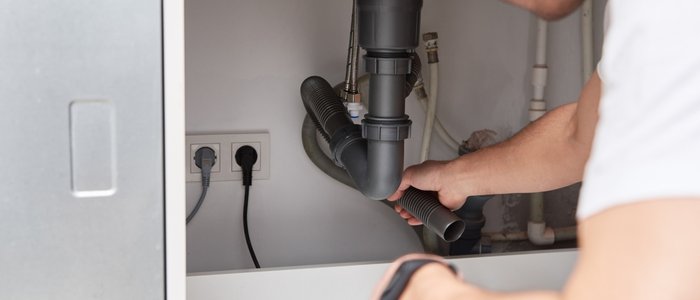
Have you ever noticed your kitchen sink draining slower than usual or a small leak appearing out of nowhere? These common issues often happen when regular care is overlooked, and they can quickly turn into bigger problems if ignored.
Maintaining your kitchen plumbing may seem like a technical task, but it doesn’t have to be overwhelming. We will walk through kitchen plumbing maintenance tips for homeowners in a simple and practical way.
Together, we’ll explore easy routines, essential tools, and smart habits that keep your plumbing system running efficiently. By following these steps, you can save time, avoid stress, and reduce the chances of costly repairs.
With the right approach, we can keep your kitchen plumbing in excellent condition and make everyday maintenance feel manageable and rewarding.
Basic Ideas Every Homeowner Should Know About Plumbing Care
- Regular checks prevent major issues: Inspecting your plumbing frequently helps catch small problems before they become serious, saving time and costly repairs.
- Clean pipes improve water flow: Keeping drains and pipes clear of debris ensures smooth water movement and prevents clogs.
- Small leaks can grow quickly: Even minor leaks can cause damage if ignored, so identifying and fixing them early is essential.
- Proper usage extends system life: Using your plumbing correctly, avoiding harsh chemicals or grease, helps pipes last longer.
- Simple tools make maintenance easier: Basic tools like wrenches, plungers, and brushes allow you to handle most routine tasks efficiently.
- Consistency ensures long-term performance: Regular maintenance and attention create a reliable plumbing system that functions smoothly over time.
These simple habits create a strong foundation for maintaining your plumbing system. When we follow them consistently, we reduce the risk of sudden problems and costly repairs.
These small efforts add up, helping homeowners maintain a reliable kitchen environment without needing advanced skills or complicated tools.
Helpful Tools and Supplies for Easy Kitchen Plumbing Care
- Pipe wrench – Used to securely tighten or adjust pipe connections, ensuring joints remain leak-free.
- Plunger – Helps clear minor blockages in sinks quickly without chemicals.
- Safe drain cleaners – Remove buildup inside pipes without causing damage.
- Cleaning brush – Scrubs away residue in accessible pipe areas.
- Rubber gloves – Protect hands while working with water and debris.
- Bucket – Catches excess water during inspections or minor maintenance.
- Soft cloths – Clean surfaces and dry pipe connections after maintenance.
Understanding Everyday Kitchen Plumbing Needs
Daily use puts constant pressure on your kitchen plumbing system, which means regular attention is essential. Common maintenance needs include cleaning drains, checking pipe joints, and tightening loose connections.
These simple actions prevent buildup, leaks, and wear over time. When we stay consistent with routine checks, we can identify early signs of trouble and fix them quickly. Kitchen plumbing maintenance tips for homeowners focus on prevention rather than repair.
By giving your plumbing system regular care, you ensure smooth water flow and reduce the chances of unexpected issues that disrupt your daily routine.
Simple Routine to Maintain Kitchen Plumbing System
Creating a simple routine helps keep your plumbing system in top condition. We should check the sink area weekly and clean the drain regularly to prevent buildup. Monthly inspections of pipe joints ensure that connections remain secure.
Running water through the system helps detect any changes in flow or pressure. By following a consistent schedule, we reduce the risk of hidden problems developing over time.
Clean the Drain Regularly
We remove debris and buildup from the drain to maintain smooth water flow and prevent blockages.
Check for Small Leaks
We inspect pipe connections and joints to catch minor leaks before they become serious issues.
Common Maintenance Mistakes Homeowners Should Avoid
- Ignoring minor leaks can cause them to grow into larger, more costly problems over time.
- Using harsh chemicals may damage pipes and weaken materials, reducing the lifespan of your plumbing system.
- Pouring grease down the drain leads to buildup that blocks water flow and clogs pipes.
- Over-tightening fittings can crack connections and create leaks.
- Skipping regular cleaning allows debris to accumulate, lowering efficiency.
- Using the wrong tools can damage components and make repairs more difficult.
- Delaying necessary repairs often worsens problems and increases long-term costs.
Quick Signs Your Kitchen Plumbing Needs Attention
Recognizing early warning signs helps prevent serious problems. We should watch for slow drainage, unpleasant odors, or visible moisture around pipes.
These signs indicate that something is not working properly. Acting quickly allows us to fix issues before they become more complicated and expensive to handle.
- Slow drainage – Water takes longer than usual to flow down the sink, indicating possible clogs or buildup in pipes.
- Bad smell from sink – Foul odors may come from trapped food particles or a dry P-trap.
- Water pooling – Standing water around the sink or on countertops can signal leaks or drainage issues.
- Unusual pipe noises – Gurgling, banging, or rattling sounds may indicate air trapped in pipes or loose fittings.
- Visible leaks – Water dripping from joints, faucets, or pipes shows faulty connections that need attention.
- Damp areas – Moisture around cabinets or under the sink can point to hidden leaks and potential damage.
Easy Steps to Check Kitchen Plumbing at Home
- Inspect the sink area thoroughly for any visible signs of damage or moisture.
- Run water through all faucets to check flow and detect slow drainage.
- Examine pipe joints carefully for looseness, corrosion, or potential leaks.
- Look for any drips, puddles, or damp spots under the sink.
- Test drainage by letting water flow fully and observing movement.
- Observe overall water flow to ensure consistency and pressure.
- Listen carefully for unusual sounds like gurgling or hissing.
- Repeat these checks weekly to catch minor issues before they become major problems.
Regular checks play a vital role in keeping your plumbing system healthy. When we inspect and monitor performance, we can quickly detect any irregularities.
This proactive approach helps prevent minor issues from becoming serious problems and ensures that your kitchen plumbing continues to function efficiently every day.
Common Kitchen Plumbing Tasks and Their Purpose
| Maintenance Task | Why It Matters | How Often to Do It |
| Cleaning Drain | Prevents clogs and buildup that slow water flow | Weekly |
| Checking Leaks | Avoids water damage by catching small leaks early | Weekly |
| Tightening Joints | Ensures secure connections and prevents drips or leaks | Monthly |
| Flushing Pipes | Maintains smooth water flow and reduces buildup inside pipes | Weekly |
| Inspecting Valves | Ensures proper control of water supply and prevents failures | Monthly |
| Clearing Debris | Prevents blockages by removing food or sediment from pipes | As needed |
Situations Where Maintenance Is Not Enough
Sometimes, regular care is not enough to solve deeper plumbing issues. Persistent leaks, significant drops in water pressure, or repeated blockages may indicate a more serious problem. Structural damage or hidden pipe failures can also require professional attention.
In such cases, it’s important to recognize the limits of DIY solutions. We should not hesitate to seek expert help when problems go beyond basic maintenance. Acting early prevents further damage and ensures your plumbing system is repaired correctly and safely.
Simple Daily Habits to Keep Kitchen Plumbing in Good Shape
- Avoid dumping food waste or grease – Always dispose of leftover food and cooking grease properly, as they can build up and clog your pipes over time.
- Use sink strainers to catch debris – Place strainers in your sink drains to prevent food particles and other debris from entering the plumbing system.
- Flush with warm water regularly – Running warm water helps move residue along and keeps pipes flowing smoothly.
- Clean surfaces frequently – Wipe sinks and surrounding areas to prevent buildup of dirt and grease that could enter pipes.
- Handle pipes gently – Avoid putting unnecessary pressure on pipe connections to prevent leaks or damage.
- Maintain consistent habits – Follow these practices regularly to ensure long-term plumbing efficiency and reduce maintenance issues.
FAQ
How often should you clean a kitchen sink drain?
You should clean your kitchen sink drain at least once a week for basic maintenance. This helps prevent grease buildup, food residue, and unpleasant odors from developing over time.
For deeper cleaning, a thorough flush or natural cleaning (like hot water and mild solutions) should be done once a month to keep the pipes clear and functioning efficiently.
If you cook frequently or notice slow drainage or bad smells, it’s best to clean the drain more often as needed. Regular cleaning keeps your plumbing system running smoothly and helps avoid costly blockages or repairs.
What is the best natural drain cleaner for kitchen sinks?
The best natural drain cleaner for kitchen sinks is baking soda and vinegar followed by hot water. It’s simple, safe, and effective for removing odors and light buildup.
How it works:
Baking soda loosens grease and neutralizes smells, while vinegar creates a fizzing reaction that helps break down minor debris.
How to use:
Pour baking soda into the drain → add vinegar → wait 15–20 minutes → flush with hot water.
Tip:
This method works best for regular maintenance and small clogs, not severe blockages.
How do I know if my kitchen pipes are frozen?
You can usually tell your kitchen pipes are frozen by a few clear warning signs. The most common one is little or no water flow when you turn on the tap, especially during cold weather.
You might also notice frost or condensation on exposed pipes under the sink. In some cases, pipes may produce strange sounds, like banging or gurgling, due to trapped ice blocking the flow.
Another sign is unusual odors coming from the drain, which can happen when water can’t pass through the pipe. If a section of pipe feels extremely cold to the touch compared to others, it may be frozen. Acting quickly is important, as frozen pipes can expand and eventually burst, causing serious water damage.
How to clean a greasy kitchen drain?
To clean a greasy kitchen drain effectively, follow a simple and safe method that removes buildup without damaging your pipes.
Start by pouring hot (not boiling) water down the drain to loosen grease stuck inside. Next, add a few drops of dish soap, which helps break down oil and fat deposits. After that, pour a mixture of baking soda followed by vinegar into the drain.
This creates a mild reaction that helps lift grease and debris from the pipe walls. Let it sit for about 10–15 minutes, then flush again with hot water.
For better results, you can repeat the process or use a plunger if the drain is still slow. Avoid harsh chemical cleaners, as they can damage pipes over time. Regular cleaning like this keeps your kitchen drain flowing smoothly and prevents stubborn clogs.
How to unclog a P-trap in a kitchen sink?
Unclogging a P-trap is a simple DIY task that can quickly restore proper drainage. Start by placing a bucket underneath the P-trap to catch any water or debris.
Next, loosen the slip nuts on both ends of the curved pipe by hand or with pliers if needed. Carefully remove the P-trap and empty its contents into the bucket.
Check inside the pipe for grease, food particles, or buildup, and clean it thoroughly using a brush or running water. Also inspect the washers for any damage before reinstalling. Once clean, reattach the P-trap, tighten the connections securely (but not too tight), and run water to test for leaks and proper flow.
Regular cleaning of the P-trap helps prevent future clogs and keeps your kitchen sink draining smoothly.
Conclusion
Maintaining your kitchen plumbing doesn’t have to be complicated. By following these kitchen plumbing maintenance tips for homeowners, we can keep our systems running smoothly and avoid unexpected issues.
Regular cleaning, routine checks, and careful usage all contribute to a more reliable plumbing setup. You’ve now learned practical steps to prevent problems, identify early warning signs, and maintain your kitchen plumbing with confidence.
These habits not only protect your home but also save time and effort in the long run. Kitchen plumbing maintenance tips for homeowners focus on consistency and awareness, which are key to long-term success.
Stay proactive, keep up with simple routines, and don’t ignore small issues. With the right approach, we can maintain a safe and efficient kitchen environment while building confidence in handling everyday home maintenance tasks.